Pain is one of the most typical reason people look for care, yet it is often the least continually taken care of. A certification course in pain monitoring can close that gap, translating standards right into dependable bedside practice. The greatest programs match scientific rigor with the actual constraints of rescues, wards, centers, and rehabilitation health clubs. If you operate in severe treatment, primary care, paramedicine, nursing, physical rehabilitation, or allied health, building skills in both assessment and intervention adjustments end results swiftly. I have actually seen it in my own technique: fewer readmissions, much shorter lengths of stay, and clients that finally rest through the night.
This overview walks through what a thoughtful pain management certification resembles, how to select a program that fits your setup and extent, and a practical path to succeed once you enroll. Along the road, I'll discuss specialized alternatives like puaeme008 offer discomfort monitoring for emergency situation -responders, pain administration training courses for registered nurses and physiotherapists, and short programs hurting administration that port right into busy rosters.
Why discomfort administration training is worth your time
Pain is not simply a signs and symptom, it is a driver of complications. Unchecked acute pain increases catecholamines and can worsen heart ischemia, impede ventilation, and slow-moving mobilization. Badly taken care of persistent discomfort typically spirals into deconditioning, state of mind problems, and polypharmacy. When medical professionals complete a discomfort administration course that highlights analysis precision, multimodal therapy, and interaction, the effect is quantifiable. On a surgical system where we carried out standardized pain evaluations and daily analgesic optimization, the ordinary time to initial mobilization stopped by about a 3rd over one quarter. Client fulfillment scores increased, however extra significantly, post-op lung issues fell.
A certification signals to your team that you can structure treatment with intent, not behavior. It additionally assists in credentialing and progressed roles. Lots of organizations currently recognize a pain management certificate as proof of proceeding proficiency, specifically for increased technique nurses, clinical nurse professionals, and extended-scope physiotherapists.
What a solid certificate training course hurting management covers
The finest pain monitoring training courses prevent the catch of being a pharmacology lecture sewed to a collection of pain ranges. They build a functional structure you can use on a chaotic shift, during a peaceful ward round, or in a long talk to a complex client. A complete program usually includes:
Foundations of pain physiology and the lived experience. Expect coverage of nociceptive versus neuropathic pain, outer and main sensitization, and how anxiety, rest, and previous injury reshape pain handling. Excellent instructors attach theory to vignettes you'll in fact recognize, like the post-herpetic neuralgia client that boosts just after you resolve allodynia and rest separately.
Assessment with nuance. Pain ratings are the beginning point, not the location. You should exercise practical objectives, movement-based analysis, and danger stratification for opioid-related damage. Pediatric, geriatric, and cognitively impaired analyses must be more than a sidebar.
Pharmacological approaches across setups. Short-acting versus long-acting opioids, opioid-sparing programs, neuropathic representatives, ketamine for certain signs, and local anesthesia fundamentals. Seek material on secure deprescribing, kidney and hepatic application, and pharmacogenomic factors to consider where relevant.
Nonpharmacological and rehabilitative methods. Warmth, chilly, 10S, pacing, rated direct exposure, mindfulness, and sleep hygiene matter if they are supplied with framework and follow-up. Physiotherapists ought to see rated motor images and desensitization strategies at work, not simply on slides.
Communication that changes end results. Discomfort is a negotiation, framed by count on. Programs must train scripting that confirms pain while setting useful targets, plus short interventions for catastrophizing and kinesiophobia.
Safety, equity, and systems. Naloxone co-prescribing, PDMP use where suitable, taking care of opioid usage disorder without preconception, cultural safety, and accessibility barriers for rural and remote individuals. For medical facilities, include sharp pain solution rise requirements and handover standards.
Documentation and metrics. If you can not determine your result, you can not maintain it. Good courses show you just how to develop issue lists connected to pain diagnoses, track function, and make use of top quality indications that endure an audit.
Mapping the program to your role
You do not need every module at the same depth. Match the program to your everyday decisions.
Nurses in severe care benefit from tight evaluation, PRN optimization, safe titration methods, and nonpharmacological methods they can provide at the bedside. Pain administration training for registered nurses must include procedural analgesia assistance, ecstasy and pain distinction, and escalation formulas lined up with the facility.
Physiotherapists need durably used movement-based methods. Pain administration programs for physiotherapists need to drill rated direct exposure, tons development, fear evasion counseling, and ways to integrate analgesic timing with therapy sessions. In post-surgical rehab, recognizing when to ask for a nerve block review can conserve days.
Primary treatment medical professionals and pharmacologists need chronic pain structures. This consists of taper plans, rest normalization, perioperative opioid monitoring, and interprofessional recommendation standards for discomfort facilities, psychology, and interventional specialties.
Paramedics and initial responders work under time pressure. Systems like puaeme008 provide discomfort management, often called puaeme008 offer discomfort management within vocational training bundles, concentrate on instant analysis, safe administration of analgesics in the field, nonpharmacological approaches during extrication, and handover that maintains analgesic momentum. If you run in this setting, choose a program straightened with your territory's formulary and medical practice guidelines.
Anatomy of a sensible understanding pathway
A certificate course hurting administration usually runs in mixed layout. Anticipate self-paced understanding components incorporated with workshops or simulated cases. Programs range from short training courses hurting administration that take 6 to 12 hours, to even pain management course more intensive discomfort administration accreditation courses that run 40 to 80 hours with evaluations and case logs.
I motivate prospects to structure their study around 3 arcs: assessment proficiency, treatment fluency, and interaction under restriction. The material may look comparable across programs, but sequencing matters. Technique evaluation scripts with associates early, not after pharmacology. Discover to ask, after that to act, then to review.

Clinical exposure, also if simulated, does the heavy training. I have actually seen learners enhance most after they present 2 or three longitudinal cases. One was a 58-year-old with fallen short back surgery syndrome, balancing four hours of rest and walking less than a block. After setting a two-week useful target, working with a neuropathic agent titration, and adjusting treatment timing, his six-minute walk enhanced by 60 meters and he cut night awakenings in half. The numbers pain management certificate workshops were easy, the plan was methodical, and the adjustment stuck.
Emergency discomfort monitoring deserves its very own lane
Acute pain in the area and in emergency departments has different threats and chances. You commonly do not know the standard opioid exposure, comorbidities, or background important use, yet hold-ups substance suffering and issues. A focused emergency discomfort monitoring module stresses:
Rapid differential diagnosis of pain types on sporadic info. That consists of distinguishing time-critical problems where analgesia need to not wait, but the option of representative and path issues to stay clear of covering up peritoneal indications or neurologic deficits.
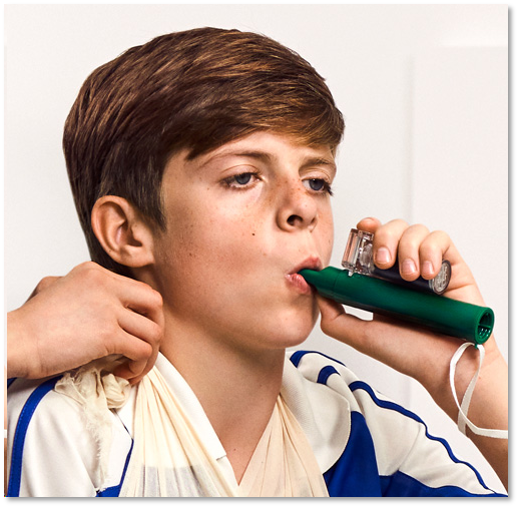
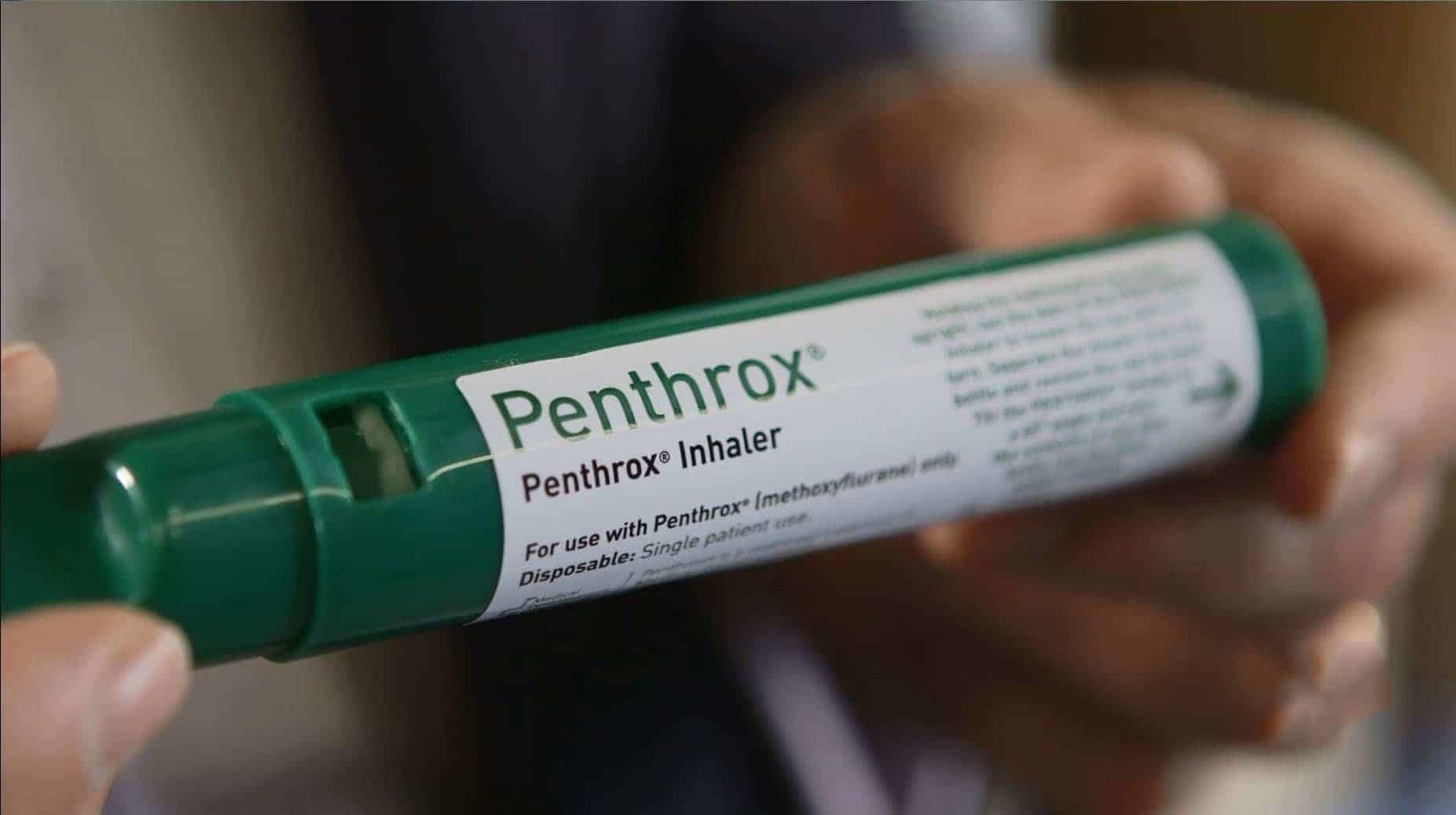
Analgesic pharmacology customized to prehospital and ED procedures. Breathed in analgesia, intranasal options, IV titration with security checks, and pediatric dosing that is easy to calculate swiftly. Ketamine requires clear indicators and contraindications.
Nonpharmacological methods that purchase time and boost end results. Splinting done correctly, cold application, positioning for dyspnea and pleuritic pain, and coaching breathing for severe stress and anxiety and panic where discomfort intensifies distress.
Handover self-control. If you offer considerable analgesia in the area, handover should consist of timing, result, and threat flags to stop rebound discomfort or dual application. Programs developed around puaeme008 supply pain management stress this handover stringently.
I have watched new paramedics, once trained and overseen with a loads telephone calls, lower time-to-analgesia by half without a single safety occurrence. The difference was self-confidence secured to method, not bravado.
Choosing amongst pain administration training courses without getting lost
Marketing language looks comparable throughout suppliers. Type programs by that created them, how they analyze you, and whether the content aligns with your extent of method. Credibility shows up in tiny details, like dosing changes for renal impairment or case studies that include approval for nerve blocks.
You likewise intend to see a prepare for recurring proficiency. Some programs use a pain monitoring certification program with an one-time evaluation, after that recommend yearly refresher courses. Others build in reflective practice and case audits. If you prepare to keep a pain management accreditation that strengthens your resume, select the last. It will make your profile more powerful and your method safer.
Costs vary commonly. Short programs might be budget-friendly and concentrated, a good suitable for brand-new graduates or teams trying to level up a single skill like neuropathic discomfort. Comprehensive pain administration training programs typically warrant higher fees with professors gain access to, supervised technique, and acknowledged accreditation. Verify what you obtain: downloadable devices, test attempts, proctored OSCEs, and assistance for office projects.
The detailed path to qualification and impact
Here is a portable, useful series that has benefited several medical professionals I have mentored. It keeps momentum high and concentrates on modifications that stick.
- Clarify your extent and setting. Detail the 3 most usual discomfort scenarios you deal with weekly, and one high-risk scenario you are afraid. This shapes your course selection and research study plan. Pick a program that matches your jurisdiction and function. If you remain in prehospital care, a program lined up with puaeme008 provide pain administration or your local equivalent conserves translation job. Registered nurses should look for pain management training for nurses with facility-specific rise pathways. Physiotherapists ought to make sure there is significant web content on graded exposure, pacing, and discomfort education. Front-load evaluation abilities. In the initial two weeks, script your history-taking, useful goals, and danger stratification. Practice on two individuals and one colleague. Tape-record times and outcomes. Implement one adjustment per week. Week one, readjust PRN timing and nonpharmacological assistances. Week two, introduce or enhance a neuropathic representative if shown. Week three, modify therapy sessions around analgesic peaks. Always track function. Build a little control panel. Track numerical discomfort ratings just as context. Prioritize feature: range walked, rest hours, time to activate, or return to work steps. Evaluation weekly and share with your mentor or team.
This is the initial of both lists in this post, purposefully brief. Each thing unlocks the following, and the final dashboard both shows proficiency and encourages skeptical colleagues.
Integrating pain management into group workflows
A certificate modifications your technique, yet the bigger win is team uniformity. Discomfort monitoring programs that require a job component typically ask you to carry out a small workflow renovation. The best candidates select something noticeable and relatively easy to fix, like a daily analgesia optimization huddle on a post-op ward, or a pre-physio analgesic timing method in rehab. Success depends upon:
Leadership that values tiny victories. Beginning with a two-week pilot, then increase. If your pilot shortens the morning mobilization home window by 15 minutes across four people, your device has hours of performance obtained weekly.
Clear possession. Someone updates the discomfort board, another sets off escalation if targets are missed out on for two days, and a 3rd audits regulated material settlement. When no person owns pain, discomfort owns the shift.
Data that informs a human tale. A chart revealing sleep hours and night-time pain together with quotes from the patient is persuasive. I have actually never ever seen a specialist ignore rest restored after two evenings of targeted adjustment.
Workflows ought to likewise recognize edge instances. Patients with persistent opioid treatment need separate methods. Those with unmanaged PTSD or high levels of catastrophizing need very early psychology reference. Not every unit has these services internal, so a well-constructed discomfort management certification program should aid you construct recommendation pathways and manuscripts for scarce resources.
The pharmacology you will really use
A strong program equilibriums information with utility. You must leave able to do the following without reaching for a reference whenever:
Dose non-opioids proactively. Paracetamol and NSAIDs still carry the opioid-sparing lots, however just if you use suitable timetables and make up kidney, hepatic, and hemorrhaging risks. Several brand-new grads underdose out of caution that is unnecessary with correct screens.
Recognize when to choose an opioid, which one, and exactly how to taper. Oxycodone, morphine, hydromorphone, and fentanyl each have particular niche benefits depending upon organ feature and route availability. Stay clear of integrating long-acting and short-acting opioids without a clear strategy. Support therapy to useful objectives and everyday review.
Introduce neuropathic agents with timelines that match truth. Gabapentinoids and SNRIs require days to weeks to reveal effect. Training courses need to highlight titration timetables, autumn and sedation threats in older grownups, and strategies for discontinuation when they fail to help.
Understand step-by-step and interventional options enough to refer appropriately. Area blocks and regional anesthetic can be transformative post-op, however timing and patient choice matter. Physio therapists, particularly, gain from knowing when to ask for a block testimonial to open very early mobilization.
Use ketamine judiciously. Sub-dissociative application can be effective for certain sharp pain situations, yet needs clear protocols and tracking. Excellent training programs show both possible advantages and the behavior adverse effects that agitate people and staff when unanticipated.
The goal is not encyclopedic recall, it is safe and definitive activity when your person remains in front of you.
Communication and expectation setting
Pain management is 50 percent pharmacology, half conversation. You will find out to claim things that move a client from a numerical target to a practical one. Rather than encouraging zero pain, you may supply steady gains: walk to the mail box, then around the block, after that to the park. This reframing decreases distress and reduces the chase for rising doses that let down everyone.
For family members, manuscripts aid when discomfort continues in spite of best efforts. Describe the strategy, side effects to look for, and what renovation will certainly appear like each day. In one clinical ward, giving a one-page discomfort plan that consisted of comfort measures families can help with cut telephone call bell use over night and better state of mind on both sides of the bed.
Cultural security rests inside communication. Discomfort expression varies across societies and people. Training needs to instruct you to ask open questions, avoid presumptions about stoicism or overestimation, and engage interpreters early when language barriers exist.
Assessment risks and exactly how good training courses show you to stay clear of them
I have actually seen 2 typical errors in medical professionals prior to added training. First, overreliance on a solitary numerical score. Second, failure to reassess. A discomfort score without context can misdirect, especially in older grownups with delirium or in patients who underreport to prevent being labeled. The fix is straightforward and teachable: set ball game with a useful goal and a concentrated exam, after that reassess at predictable intervals after an intervention. Many certificate programs need you to submit 2 review notes per case, a practice that sticks.
Another mistake is the one-size-fits-all analgesic. If your default is a single opioid, you will certainly overuse it. Multimodal programs that respect kidney feature and procedural context are much safer and frequently a lot more efficient. A structured discomfort management course must offer counterexamples that test reflexes and use a far better algorithm.
Assessment, accreditation, and preserving competence
Pain administration accreditation typically includes on the internet tests, case-based brief answers, and, in the stronger offerings, observed structured medical assessments. I learned most from OSCE stations that required me to bargain goals with a standardized patient while describing threats of opioids and setting a clear prepare for the next two days. If your program provides optional OSCEs, take them.
After you gain a discomfort administration certification, prepare for refresher courses. Medication formularies change, and so do standards for opioid use, naloxone distribution, and perioperative treatment. One of the most defensible strategy is to complete a short update every 12 to 24 months. If your practice consists of emergency treatment, search for modules lined up with updated professional technique standards comparable to those embedded in puaeme008 offer discomfort management.
Keep a little profile: a log of challenging cases, your audit results on feature metrics, and reflections on at least two instances where your strategy transformed mid-course. This is what transforms a credential into a professional asset.
Special tracks for registered nurses and physiotherapists
Pain monitoring training for nurses must concentrate on 3 layers: accurate analysis, protocol-driven titration, and nonpharmacological supports registered nurses can supply right away. Programs that consist of simulation for difficult discussions function well, especially for tapering requests or taking care of family expectations. Registered nurses usually end up being the champions of day-to-day analgesia optimization, which is where the greatest gains hide.
Pain monitoring training courses for physiotherapists should push past education right into rated direct exposure that is quantifiable. I have actually seen specialists transform an individual's overview with a six-week plan that stabilizes lots and fear. Programs that need therapists to send pre and post functional metrics raise the standard. When specialists and nurses align, the morning home window, about one hour after analgesia, comes to be a trusted platform for progress.
Short programs versus comprehensive certification
Short training courses in pain management have their location. For teams needing a quick tune-up or to standardize a solitary method change, a focused 6 to 8 hour program is justified. Utilize them to enhance pediatric application safety and security, to roll out a new nonpharmacological toolkit, or to tackle neuropathic pain options.
A full pain administration qualification program is much better if you prepare to be a best source or to lead top quality improvement. These programs provide you breadth, supervised method, and an evaluation that stands in performance testimonials. In numerous systems, such a certification sustains applications for advanced positions or profile pathways.
A portable preparedness list before you enroll
- Define your result: promo, function expansion, or better patient circulation on your unit. Confirm placement: does the program match your medicines, methods, and recommendation networks? Secure time: block shielded slots for study and two clinical instances to use learning. Arrange mentorship: a preceptor or elderly medical professional that will certainly assess your cases. Plan your audit: pick one useful metric you will track for 4 weeks post-certification.
This second and final listing keeps you truthful. When medical professionals full these steps, they are much more most likely to implement change instead of absorb material and wander back to old habits.
What success appears like 6 weeks after certification
Gauge success on the ground, not in the frame on your wall surface. On a medical flooring, watch for earlier mobilization, less nighttime calls for breakthrough pain, and much shorter lengths of stay in uncomplicated cases. In primary care, try to find fewer early refill demands, more regular functional gains, and much better rest reported at follow-up. In prehospital treatment, display time-to-analgesia, negative occasions, and handover quality notes.
I dealt with a local team that combined a certificate training course with a single workflow change: a day-to-day review of individuals whose rest was interfered with by pain. Night registered nurses applied a common nonpharmacological protocol and escalated targeted adjustments in the early morning. Within a month, the device reduced wakeful nights related to discomfort by approximately a quarter, and daytime therapy sessions ran closer to set up. None of this needed new medications. It called for a common language and a plan.
Final thoughts from the center floor
Pain will certainly always be a relocating target, shaped by biology, psychology, and context. A discomfort administration certificate gives you extra arrows in the quiver and the judgment to select the right one under stress. If your path points to emergency situation discomfort management, align your training with certified devices like puaeme008 provide pain monitoring. If you bait a ward or in a facility, think about an extensive pain monitoring certification that includes high quality renovation and case guidance. Nurses and physiotherapists will certainly locate dedicated courses that sharpen the devices they utilize daily.
The real mark of success is not the certificate itself, however a patient who tells you they can ultimately clothe without help, walk their dog, or sleep without anxiety of the evening. That is what this training is for, and it is within reach when coursework converts right into consistent practice.